A Trusted Voice for Adults with Intellectual Disabilities
When people hear the word guardianship, they often think of legal paperwork and court proceedings. While guardianship does involve legal responsibilities, at its core, it is about something much more personal: ensuring that vulnerable individuals have someone advocating for their well-being, protecting their rights, and helping them navigate life’s important decisions.
At Catholic Charities North Dakota, guardianship services are rooted in dignity, compassion, and respect for each person’s unique needs and abilities. Our role is to serve as a trusted voice and advocate while helping individuals live as independently and meaningfully as possible.
Two Guardianship Programs, One Shared Mission
Catholic Charities North Dakota provides guardianship services through two distinct programs:
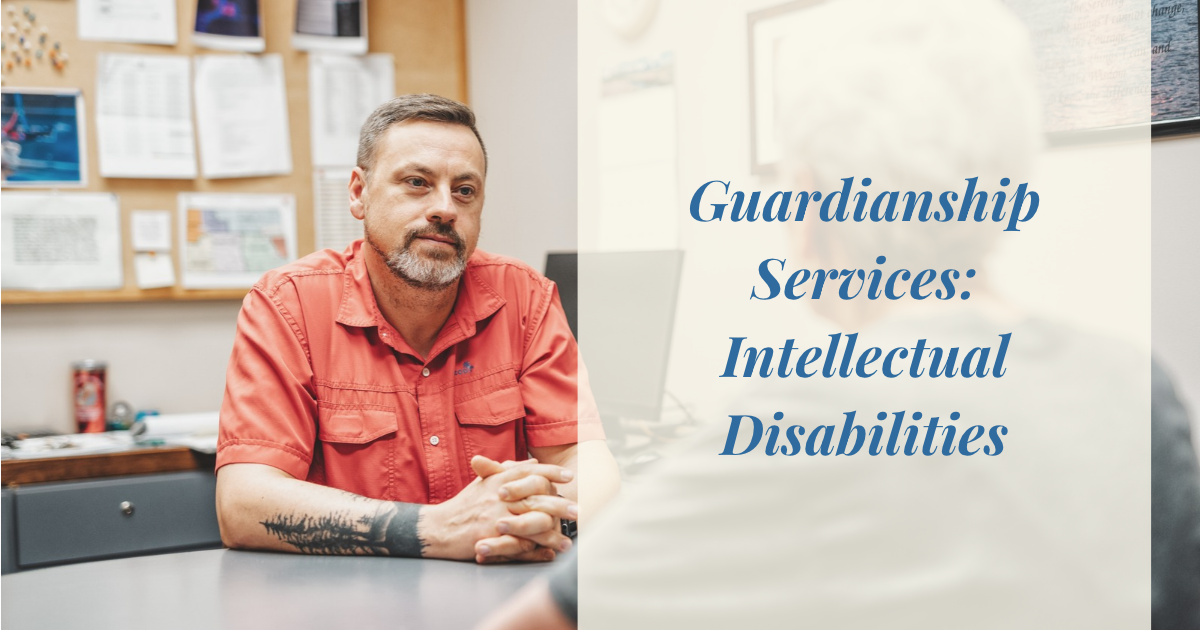
- Guardianship Services: Intellectual Disabilities (GSID)
- Guardianship Services: Vulnerable Adults (GSV)
While both programs share the mission of protecting and supporting those entrusted to our care, they serve different populations and needs.
What Is Guardianship?
Guardianship is a legal arrangement in which a person or organization is appointed to make certain decisions on behalf of an individual who has been determined by the court to need support in managing aspects of their life. A guardian is required to act in the individual’s best interests, protect their rights, and ensure services are provided in the least restrictive way possible.
At Catholic Charities, guardianship is about more than fulfilling legal responsibilities. It is about building relationships, understanding individual needs, and ensuring that every person has someone in their corner when important decisions arise.
Supporting Independence, Dignity, and Quality of Life
Adults with intellectual disabilities may face challenges navigating healthcare systems, accessing services, managing complex decisions, or advocating for their needs. GSID exists to help bridge those gaps while promoting self-determination and independence whenever possible. Every individual we serve has unique strengths, goals, preferences, and support needs. Our guardians work closely with individuals, families, caregivers, service providers, and community partners to ensure each person’s voice remains central to the decisions that affect their life. The goal is never to take away independence. Rather, it is to provide support that helps individuals live safely, participate in their communities, and maintain the highest level of independence possible.
What Does GSID Do?
The work of GSID is wide-ranging and highly individualized, but typically includes:
Advocacy and Coordination of Care
Our guardians help individuals navigate systems that can often be overwhelming, including healthcare, social services, residential services, vocational programs, and community resources. They collaborate with providers and support teams to ensure needed services remain effective and responsive.
Healthcare Support
Guardians may assist with healthcare decision-making by communicating with medical professionals, participating in care discussions, and helping ensure treatment plans reflect each person’s needs, preferences, and best interests. Whenever possible, individuals remain actively involved in decisions about their own care.
Protecting Well-Being
When appropriate, guardians may help coordinate financial oversight and benefit management to protect individuals from financial risk, abuse, or exploitation. These decisions are always made with transparency and with the individual’s best interests at the center.
Building a Support Network
Strong partnerships are critical to successful guardianship. GSID works closely with families, caregivers, community organizations, and service providers to help build a network of support around each individual. Regular communication and ongoing visits help ensure needs are met and quality of life remains a priority.
A Trusted Voice
Perhaps the best way to describe guardianship is that it provides a trusted voice. For some individuals, that means having someone advocate for needed healthcare services. For others, it may mean ensuring supports are in place at home, work, or in the community. Sometimes it simply means having a trusted advocate who listens, asks questions, and helps ensure a person’s rights, preferences, and well-being remain at the center of every decision.
Behind every service, meeting, and conversation is a commitment to treating each individual with dignity and respect. Because everyone deserves to be heard. Everyone deserves someone in their corner. And everyone deserves a trusted voice.